About the Met Gala, 'In the City,' and Striving
I'm a bit out of sorts right now. To explain why would be tedious for all of us. That said, I can assign some of my mood to this Monday's Met Gala, or more precisely the act of looking at pictures of it. Obscene wealth, when it comes down to it, makes people enormously dull. Because once they begin to accumulate wealth, they can do little but continue to do so, and to think of ever more pedestrian ways to demonstrate — to themselves and the general public — that they have enough to matter. It's a form of striving that reminds me of the odd and unfortunate story of Tarrare, an 18th-century Frenchman whose bottomless appetite led him to eat everything in his path — rocks, live animals, rubbish heaps, and corpses weren't spared his hunger. Nothing was ever enough.
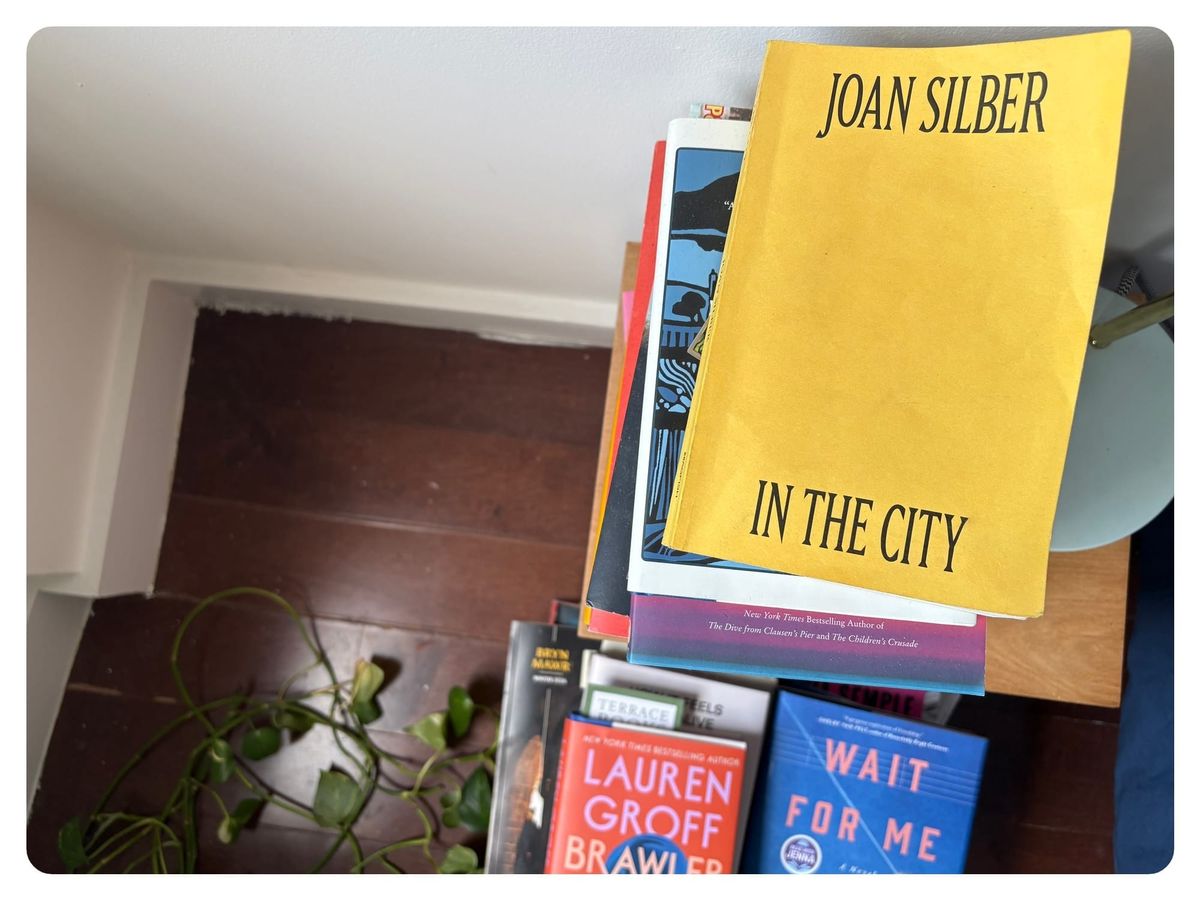
But the striving on display at the Met Gala also led me to make a more salubrious association: Joan Silber's 1987 novel In the City. Hagfish is reissuing the book this month, and sent me a galley out of the blue several weeks ago. I read it with great interest: I was unfamiliar with Silber, but the novel's premise — in the summer of 1924, a young woman leaves home to make a life in New York City — instantly resonated with me. It didn't take long to discover that In the City is one of those slim volumes (at 251 pages) whose unassuming brevity works in inverse proportion to its surpassing depth and perceptiveness.
Pauline, Silber's 17-year-old protagonist, possesses neither great ambition nor preternatural talent. If she's striving for anything, it's to get away from her middle-class Jewish family. Once she reaches the city, she rooms in a shabby boarding house, accumulates a group of vaguely artistic friends, loses her virginity to a lout, takes up with a second lout, and occasionally makes uncomfortable trips to visit her family in New Jersey. Much of the book's action takes place in all-night cafés and depressing rented rooms.
Plenty of novelists have cast 1920s-era New York as a fizz of flappers, gangsters, and hedonistic abandon. Silber does not: she is simply telling the story of one person attempting to discover who she is and what she wants. Pauline, whom Silber describes as a "nervously pretty girl" a "little too eager to be original about her appearance," is a distinctly lo-fi protagonist. She is bold and adventurous and witty, but she doesn't demand attention. If anything, she operates at a slight remove, absorbing things as they happen to and around her. Much of the book's pleasure comes from her internal observations: coming home from a night out, Silber writes, "Pauline had the passing, exultant thought that all night she had been with people whose assumptions about things were like hers, only in surer form, and this accord made everything simple and natural."
It's a passage that captures precisely the way that small moments of insight accrue into the act of becoming. It's a different form of striving, quiet and turned inward — and, in Silber's hands, wonderfully alive. Living at a time in history where billionaires lay waste to natural resources, facial filler, and basic decency in their quest to fill their empty, empty souls is a big fucking drag. But it's also a reminder of why books like In the City still matter, and that some things are worth striving for.
What I'm consuming this week:
Reading: "The Banal Horror of Jimmy Fallon," A+.
Watching: La Boum, a cult 1980 French coming-of-age film that is deeply silly and oddly endearing.
Listening: "In the City," the Jam. Gotta stay on theme.