About Jane Austen Adaptations
What do people want from Jane Austen?
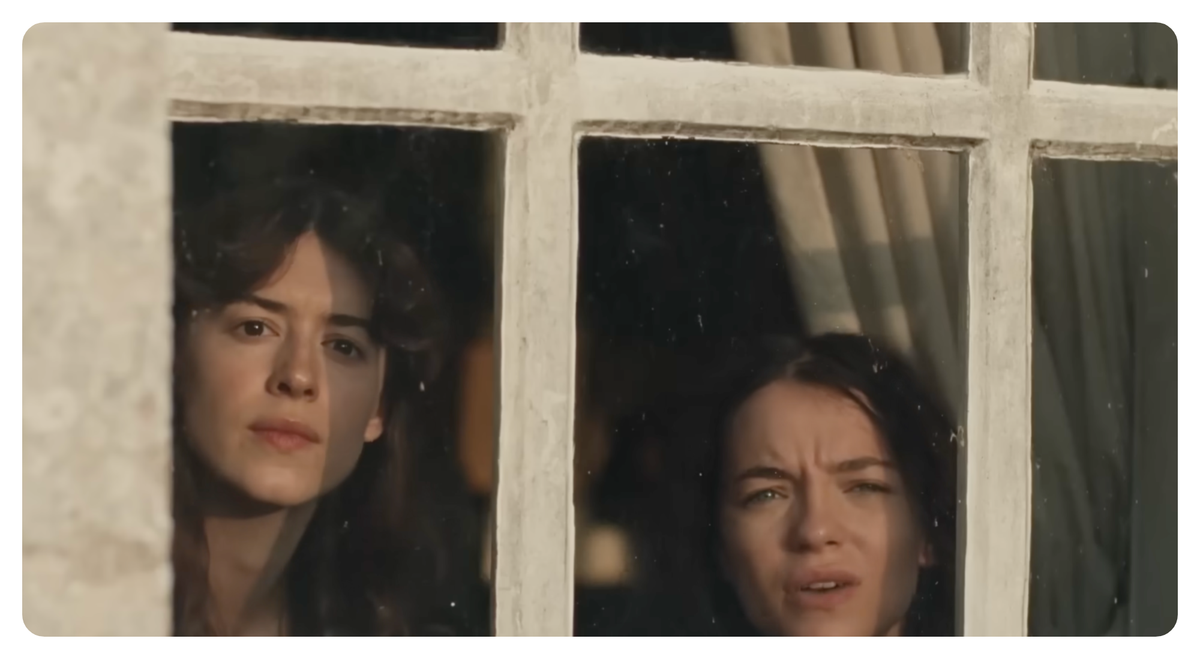
This was the question I asked myself while I watched the trailer for the latest adaptation of Sense and Sensibility, which came out in theaters last week. The question isn't a knock on the movie, which I haven't seen and cannot judge. And by "people" I mean "the entertainment industry," since using "people" as shorthand for the culture at large is, as any halfway decent editor will tell you, the lazy writer's dodge.
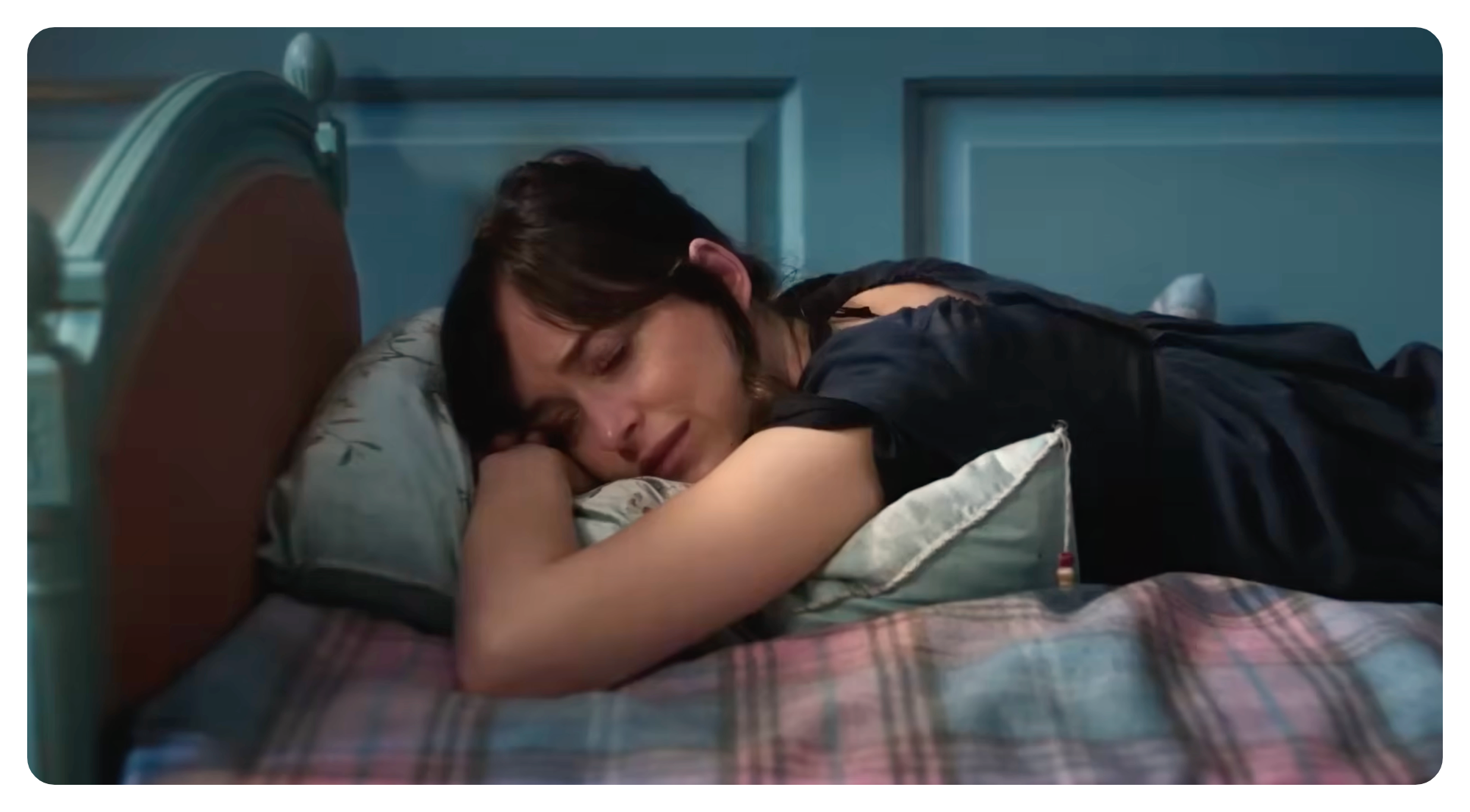
Austen adaptations are as predictable as elections: they seem to arrive every two to four years, and are almost invariably divisive. For every universally beloved 1995 version of Sense and Sensibility, you get a 2022 Persuasion starring Dakota Johnson. This latest S&S adaptation appears to have pissed off both Austenites and sticklers for historical accuracy because its main characters wear their hair down, which was apparently not a thing in the late 18th century.
Again, I have no particular feelings about the movie, much less the state of its characters' hair. What interests me more is the why: why do movies and TV love to keep recycling Austen, not only into adaptations both faithful and otherwise (for the record, my very favorite will always be Clueless), but also into movies about Jane Austen and the women who love her?*
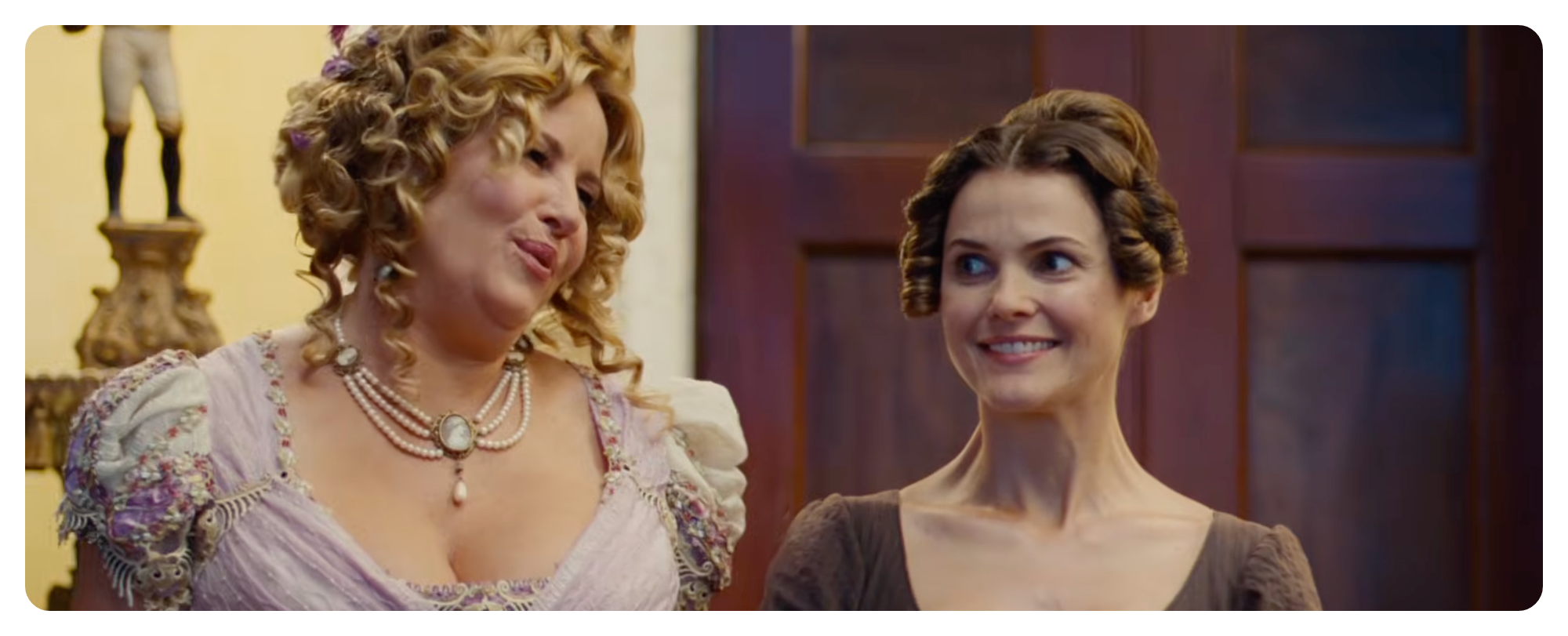
On a certain level, the appeal is obvious: a lot of people love Austen adaptations because they are a) English, b) period pieces, c) unfailingly lovely to look at, and d) stories with happy endings. They are thus altogether quite cozy: even when the characters are broke, as they are in S&S, their poverty is of the genteel cottagecore variety.
Austen adaptations are also almost exclusively female-centric stories of love, family, money, and personal agency, and it is a truth universally acknowledged** that these topics are of eternal relevance to much of humanity. To say Austen was the Candace Bushnell of her time isn't that much of stretch — while there may have been no sex or city in her books, there was Austen's clear-eyed understanding of marriage as a business transaction and women (and men) as tradable commodities. This, to me, is what makes her stories worth telling still, even if the people who adapt them never really seem to find anything new to say in the process.
On the whole, I enjoy Austen adaptations and not only understand but also look forward to their frequent appearances. And yet! There's a part of me that believes they continue to be greenlit by ever-more-stingy studio heads because they are, above all, safe. They're kind of the equivalent of a harmless crush, something that allows for and encourages lots of yearning without the threat of real consequence.
Which is fine—who doesn't love a harmless crush?—but I want more stories about women that feel decidedly unsafe. I want stories whose barbs aren't softened by layers of Georgian-era finery, adaptations of "timeless masterpieces" by women who aren't Jane Austen—where, for example, is the umpteenth adaptation of Their Eyes Were Watching God or The Well of Loneliness or The Happy Island or Sula?
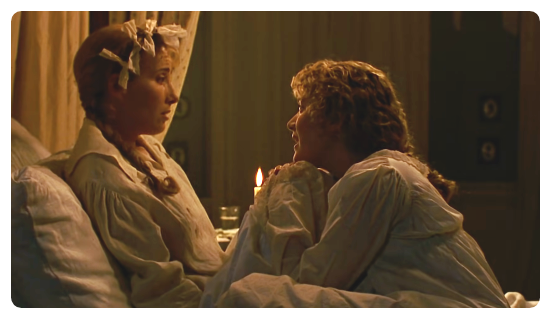
Again, it goes back to having something new and different to say—or not. While there's value in seeing the same story told again, and with care, I'd argue there's even greater value in giving us what we haven't seen.
What does the entertainment industry want from Jane Austen? Money, duh. That's fine. Give us another Austen adaptation, but for the love of god, give us more stories about women and agency that don't involve corsetry or an emotionally repressed Englishman brooding in the wings.
*This doesn't even begin to account for all the work that owes a sizable debt to Austen, i.e. the Bridgerton industrial complex.
**I'm sorry, I couldn't help myself.
What I'm consuming this week:
Reading: I was today years old when I learned that "dark nutrition" is a thing, and I already miss my comparative innocence of yesterday.
Watching: Youth, Sharon Horgan's new HBO series about a woman navigating life in her 50s. I 92% love this show and 100% wish there were more like it.
Listening: Robert Glasper, "Maiden Voyage/Everything in Its Right Place"