About 'The Bear' and Stress Porn
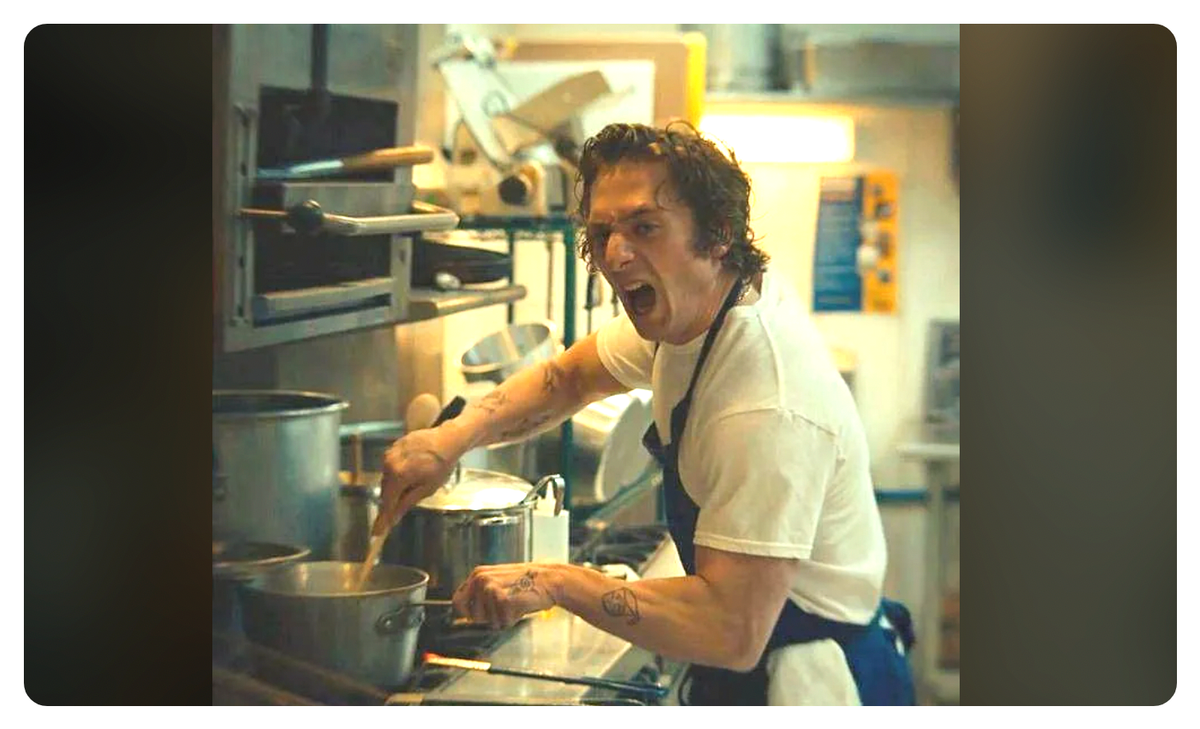
One of the things I like most about being laid off from a food publication is that I'm no longer expected to have an opinion about The Bear. I watched the show's first season with both fervor and admiration; the second with more admiration than fervor; the third with the suspicion that the emperor was beginning to tire of his apron and clogs; and the fourth with alternating exasperation and scorn. The fifth season premiered on Hulu a few days ago. I watched the first two episodes last night, and, well, ça suffit.
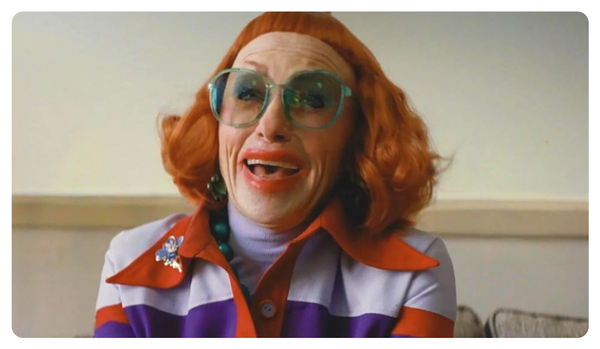
The Bear gave the world many things: Ayo Edibiri; a greater appreciation of both the Chicago food scene and journeyman actors like Eban Moss-Bachrach and Liza Colón-Zayas; ketamine Gene Wilder on a Calvin Klein billboard; Jamie Lee Curtis driving a car through a house; the weird sexual potency of a blue apron; a nuanced depiction of the hierarchal/patriarchal structures that enable abuse to take root and flourish in many restaurant kitchens. And, of course, "yes, chef," a phrase that spread across the zeitgeist like an insistent mold.
I have a theory that The Bear was popular in part because it spoke to the void left behind by Anthony Bourdain. Bourdain had been dead for four years by the time the show premiered in 2022, and his DNA is all over it. There would be no Bear without Kitchen Confidential, and the legacy of Bourdain's suicide can be viewed in the long shadow that mental illness casts over the show's central plotline.
In writing Kitchen Confidential, Bourdain made an art form of depicting the extreme stress endemic to the professional kitchen. He made you feel the desperation and unrelenting anxiety, and the absurd high stakes of creating a product designed to be destroyed only moments after its birth. That, to me, is his most palpable influence on The Bear.
During the show's first season, there was an early episode in which minor kitchen disasters accumulate into a shit tsunami that drives the characters to the brink of insanity. I remember talking to friends and coworkers who were supremely stressed out by this episode, so much so that enduring it became a litmus test in the way that the second episode of Breaking Bad — the one where a bathtub full of liquified human remains falls through a ceiling — had been. If you could make it through that, you were on board. It reminded me of the way certain white men like to brag about their hot sauce tolerance.
In retrospect, that episode was the show announcing its intentions, since much of what's followed during the subsequent four seasons has been some variation on its characters being stressed the fuck out. At this point I think of The Bear as a subgenre of torture porn that I call stress porn (or pressure porn, if you like alliteration). And like any pornography, too much will desensitize you, and lay bare (sorry) the unnatural artifice of it all. At some point, after innumerable extreme close-up shots of characters in acute distress, I checked out.
I've heard that The Bear's fifth season is therapeutic, and maybe I'll keep watching to find out, but I feel done with shows that stress viewers out for the sake of doing so. I can take the subway, or read the news, or download the Ticketmaster app for that. I'm not saying I want my fictional entertainment to be without stress, or stakes; I'll watch someone lose a limb on The Pitt any day of the week. It's more that I don't want it to be so annoying, so suffused, as The Bear was, with irritating side characters, ponderous long shots, and self-importance. Because at the end of the day, it's just dinner.
What I'm consuming this week:
Reading: Pauline Kael's "Trash, Art, and the Movies," a 10-part essay that's both fascinating and extremely long.
Listening: Rosalía's "La Perla."
Watching: Out of the Past, a wickedly good 1947 film noir in which Robert Mitchum is a p.i. whose past catches up with him.