About Catherine O'Hara and Parasocial Loss
I can tell you exactly where I was when I learned that River Phoenix had died: In the bathroom, getting ready for school. It was right after Halloween, 1993. My mother knocked on the door and told me. I remember being shocked, and sad, and not knowing what to do with the news. I had never met River Phoenix, but he was the closest thing I had to an age-appropriate movie star crush. As such, I felt an undeserved ownership over him.
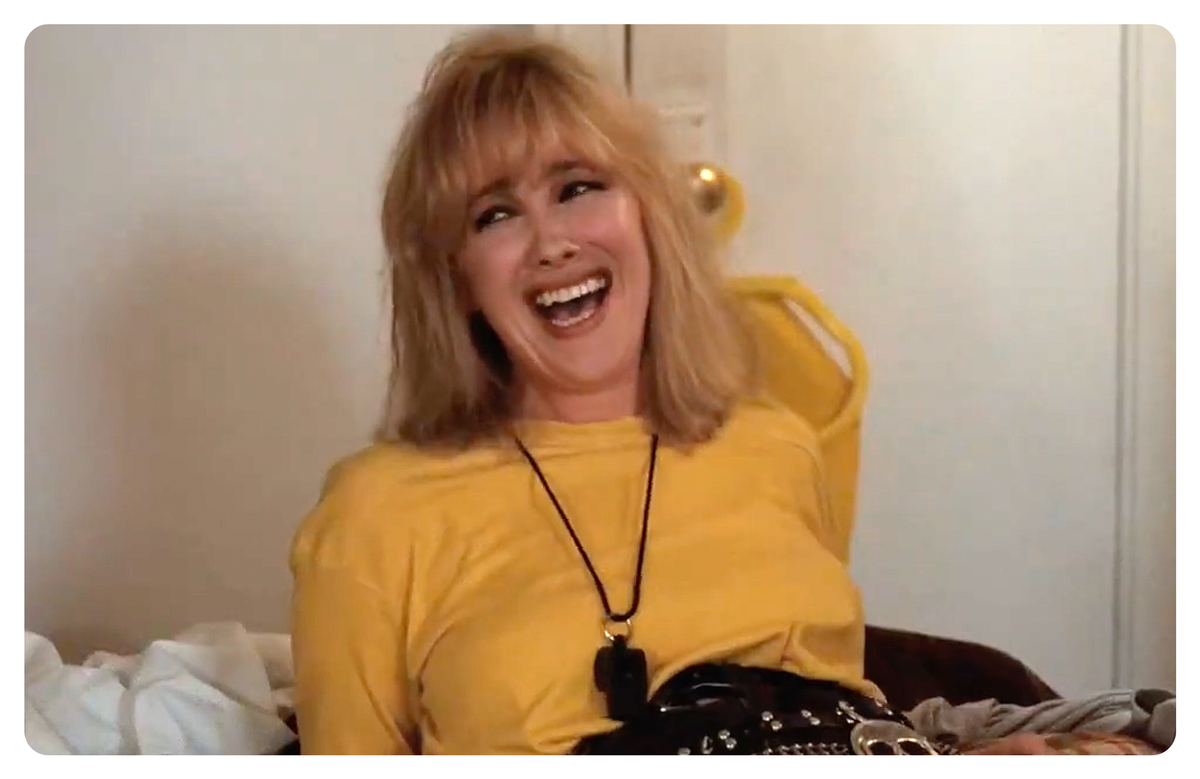
I thought about this last week when I heard that Catherine O'Hara had died. She was one of those actors who almost effortlessly endeared her way into the North American pop cultural psyche. She had a knack for playing agents of chaos, whether they were an unhinged Best Actress wannabee, a goth artist, or a Mister Softee driver. If you, like me, grew up in the '80s and '90s, you may have thought of her as a surrogate matriarch thanks to her roles in movies like Beetlejuice and Home Alone. That may be why her death hit a bit like Diane Keaton's: chaotic as her characters were, O'Hara was a comforting presence, one of those air freshener stars who brightens every scene.
Celebrity deaths follow their own metric of corresponding loss, one that grows in proportion to how much of the celebrity's work you consumed, and how decent a person they appeared to be offscreen. I loved Catherine O'Hara, but her death didn't hit me as hard as, say, Carrie Fisher's, given that I had spent my childhood watching Star Wars on repeat and literally praying every night to someday meet Princess Leia. But for me, this kind of parasocial loss — regardless of degree — always provokes the same question: What do you do with loss that isn't really your own?
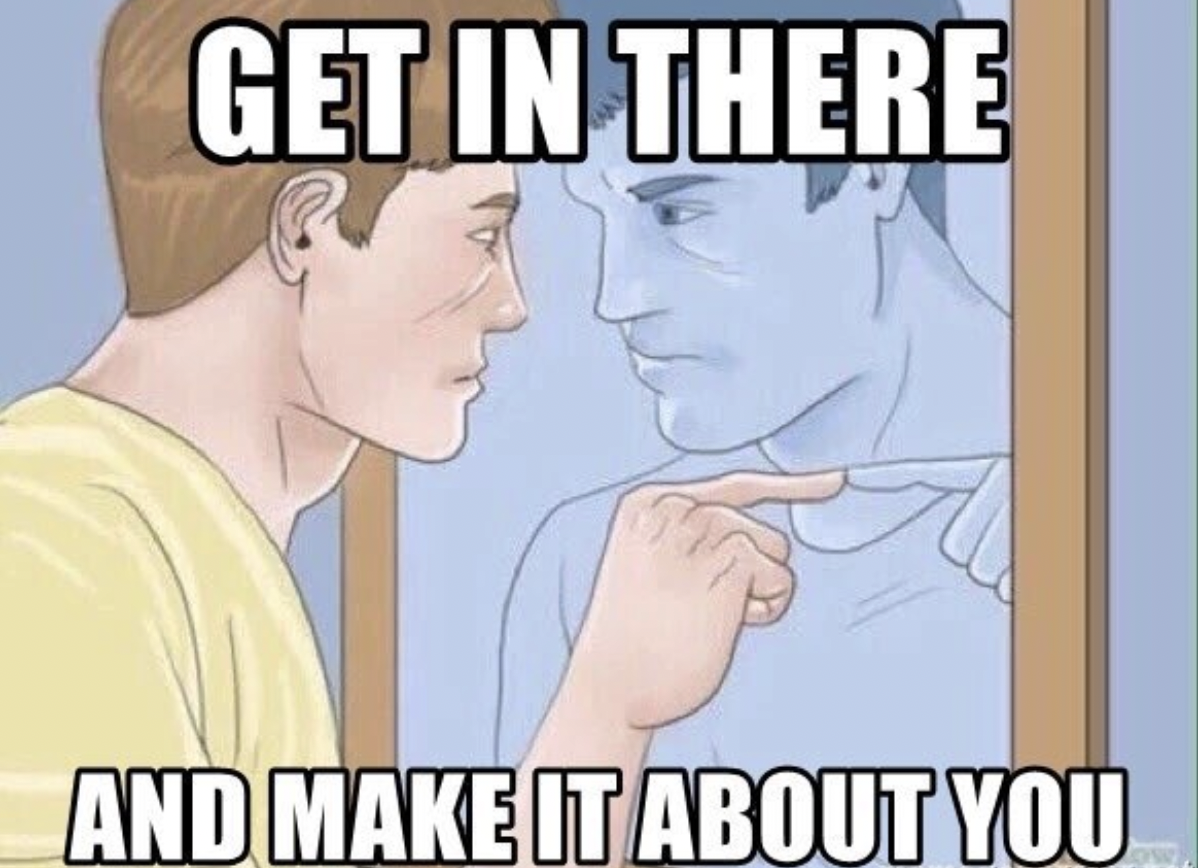
When a celebrity dies, there's no good way to mourn someone who was completely unaware of your existence except to make it about yourself. Where you were when you saw that movie they were in; how old you were when you first read their book; that time you'd just gone through a brutal breakup and they announced their own separation and it made you feel like wow, we're soul sisters, or something. We're mourning mostly for ourselves, for the idea that the world we shared with them is gone.
I remember someone saying, after David Bowie died, that it was such a blessing to exist at the same time Bowie did. To be a real-time recipient of his genius, to be able to say, "I remember when." That idea resonated with me, in part because one answer to the question of what to do with a loss that isn't your own is to channel it into gratitude and celebration. Which is the other thing about parasocial loss: in some respects, the celebrities we profess to love never really die. For us, the fans, they live on like they always did: in the work that we consume. I could spend hours and days keeping alive every celebrity I've ever loved, simply by opening a screen and pressing "play."
Last weekend, I did a version of that. David and I spent part of Saturday evening watching Best in Show, the 2000 mockumentary in which Christopher Guest cast O'Hara as Cookie Fleck, a Norwich terrier owner with an unruly romantic past. It was exactly as funny as I remembered, maybe even funnier. And for the one hour and 29 minutes it took us to watch the movie, Catherine O'Hara was resurrected, so gloriously, vitally, hilariously alive.